Written and reviewed per our independent editorial methodology. Advertiser disclosure: BanksMobile may earn compensation from some partner links on this page. This never influences our ratings, which follow our rating methodology. Read our disclaimer.
Chime has agreed to buy its partner, Stride Bank, N.A., for $590 million in an all-cash deal. If approved by regulators, the acquisition will give Chime its own national bank charter, but no changes to member accounts are expected until the deal closes, which is targeted for the first half of 2027.
In a landmark move for the digital banking sector, Chime has announced a definitive agreement to purchase Stride Bank, N.A. for $590 million. The all-cash transaction signals a major strategic pivot for the fintech giant, aiming to move from its current partner-bank model to owning its own nationally chartered bank.
For millions of Chime members, this news raises immediate questions about the future of their accounts, fees, and features. This analysis will break down the Chime Stride Bank acquisition and what it practically means for you.
For years, Chime has operated as a financial technology company, not a bank. It partners with established, FDIC-insured banks, Stride Bank and The Bancorp Bank, to hold customer deposits and issue debit cards.
This deal, if it clears regulatory hurdles, would fundamentally change that structure by bringing Stride Bank directly under Chime’s ownership as a wholly owned subsidiary.
The transition is not immediate. Chime anticipates the deal will close in the first half of 2027, pending approvals from the Office of the Comptroller of the Currency (OCC) and the Federal Reserve.
Until then, it’s business as usual for Chime members. However, this move sets the stage for significant long-term evolution in how Chime operates and the products it can offer.
- ✓Chime will acquire Stride Bank, N.A. for $590 million in cash, aiming to secure its own national bank charter.
- ✓No immediate changes are expected for member accounts; routing numbers, direct deposit, and features like SpotMe will continue as normal.
- ✓The deal requires approval from the OCC and the Federal Reserve, with an expected closing date in the first half of 2027.
- ✓Owning a bank will allow Chime to reduce its reliance on partners, control its infrastructure, and potentially expand into lending products.
Table of Contents
What Are the Specifics of the $590 Million Deal?
Chime Financial, Inc. has entered into an agreement to acquire Stride Bank, N.A. for a total of $590 million. The company has stated this will be an all-cash transaction, funded from cash on its balance sheet without needing to raise new capital.
This is a significant financial commitment that underscores Chime’s strategic ambitions.
The target of the acquisition, Stride Bank, is a nationally chartered bank based in Enid, Oklahoma. It has been one of Chime’s primary banking partners for over seven years, providing the underlying regulatory and banking infrastructure for Chime’s financial products.
This long-standing relationship provides a foundation of familiarity for the integration.
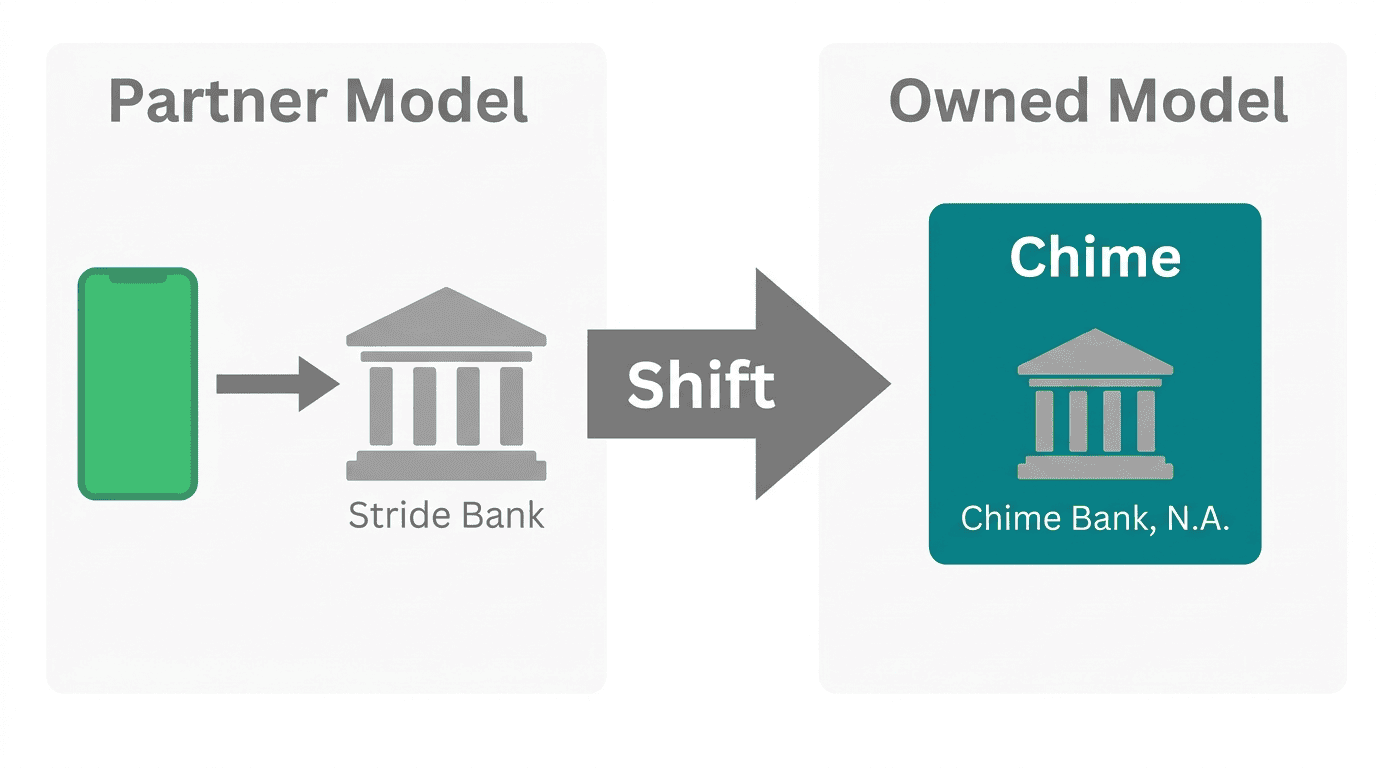
Upon closing, Stride Bank will be renamed Chime Bank, N.A. and will operate as a wholly owned subsidiary of Chime. This structure is crucial, as it means Chime will directly own a bank entity rather than just partnering with one. This is a model few major U.S. neobanks have successfully achieved.
Here’s the timeline: The deal is not happening overnight. Chime has guided that the transaction is expected to close in the first half of 2027. This extended timeline accounts for the rigorous regulatory review process required for a non-bank entity to acquire a nationally chartered bank.
The primary hurdles are approvals from two key federal regulators: the Office of the Comptroller of the Currency (OCC), which charters and supervises national banks, and the Board of Governors of the Federal Reserve System.
Their review will be thorough, focusing on financial stability, consumer protection, and compliance.
Why Does Chime Want to Own a Bank?
The core motivation behind the Chime Stride Bank acquisition is strategic independence. By owning its own bank, Chime can move away from the sponsor-bank model, where it relies on third-party banks like Stride and The Bancorp Bank to provide essential banking services.
This reliance creates operational complexities and costs.
A major financial benefit is the reduction of partner-bank fees. Chime currently pays its partners for holding deposits, processing transactions, and ensuring regulatory compliance.
Bringing this infrastructure in-house is expected to generate over $100 million in net synergies, according to company statements and financial reports.
Control is key. Owning the bank charter gives Chime direct control over its product development, technology stack, and compliance framework. This can accelerate the launch of new features and services, as Chime would no longer need to negotiate and align with an external partner’s priorities and systems.
Furthermore, holding a national bank charter opens the door for Chime to significantly expand its lending capabilities. While Chime offers features like SpotMe, a fee-free overdraft alternative, owning a bank would allow it to originate loans like personal loans, auto loans, or mortgages directly.
This is a massive potential new revenue stream.
This move also positions Chime more like a durable, long-term financial institution rather than just a technology app. It’s a play for legitimacy and a deeper integration into the U.S. banking system, similar to the path taken by SoFi, which also acquired a bank to become SoFi Bank, N.A.
What Does the Chime Stride Bank Acquisition Mean for My Account Right Now?
For the millions of Chime members, the most pressing question is what happens to their accounts. The short and simple answer is: nothing changes right now. Your Chime account will continue to function exactly as it does today.
Your account and routing numbers will remain the same. Your direct deposits will continue to arrive without any interruption or need for you to update your information with your employer. This is a critical point of stability for members.
Features like SpotMe, early direct deposit, and the Chime Credit Builder Secured Visa® Credit Card are all unaffected. The app interface, fee structure, and customer support channels will all continue to operate as usual.
The key is the timeline. Since the deal is not expected to close until the first half of 2027, any potential changes are still years away. Chime will be required to provide extensive and clear communication to all members well in advance of any transition.
Even after the deal closes, the transition is likely to be managed carefully to be seamless for customers. The goal of the acquisition is to improve the service and product offerings, not to disrupt the user experience. You can continue to use your Chime debit and credit cards without any worry.
Your Chime account, routing number, and direct deposits are not affected by this announcement. You can continue to use Chime just as you always have. The changes from the acquisition are not expected until 2027.
Will My Money Still Be FDIC Insured?
Yes, your money in Chime will continue to be FDIC insured. The method of that insurance is what will eventually change, but the protection itself is constant. FDIC insurance protects your deposits up to $250,000 per depositor, per insured bank, for each account ownership category.
Currently, your Chime deposits are held at its partner banks, The Bancorp Bank, N.A. or Stride Bank, N.A., which are both FDIC members. This is how Chime provides FDIC insurance today. Your money is legally held at one of these banks, not at Chime itself.
After the Chime Stride Bank acquisition closes in 2027 and Stride Bank is renamed Chime Bank, N.A., the structure will change. For accounts associated with Stride, the FDIC insurance would then be provided directly through the newly-named Chime Bank, N.A.
This is a positive step for transparency and simplicity. Instead of a pass-through arrangement, your funds would be held directly by a bank that is part of the Chime corporate family. The level of safety and the $250,000 coverage limit remain exactly the same.
The safety of your funds is paramount in any bank acquisition. The entire process is overseen by federal regulators whose primary mandate is to protect consumers and ensure the stability of the banking system.
More information on FDIC coverage can always be found on the official FDIC website.

How Does This Compare to Chime’s Current Bank Partnership Model?
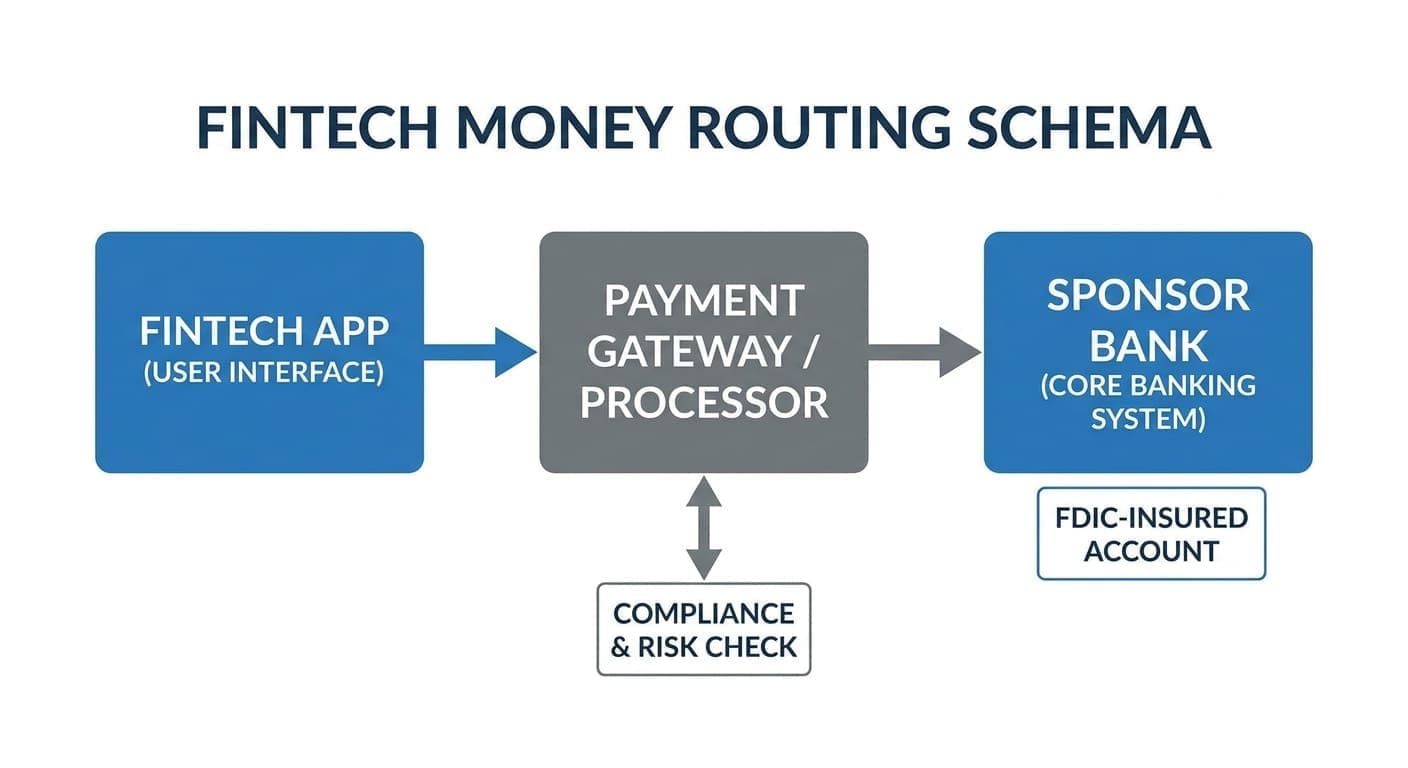
Understanding the Chime Stride Bank acquisition requires understanding the ‘sponsor-bank’ model common in fintech. In this model, a technology company like Chime builds the user-facing app and services, but partners with a licensed bank to handle the core banking functions.
Chime provides the app, the branding, the user experience, and features like SpotMe. Stride Bank and The Bancorp Bank, as the partners, provide the legal framework. They hold the customer funds in FDIC-insured accounts, issue the Visa debit cards, and ensure all activities comply with federal banking laws.
This partnership is symbiotic. Chime gets to market quickly without needing a bank charter, and the partner banks earn fees for providing their infrastructure. However, it means Chime is ultimately dependent on its partners’ systems and regulatory standing.
The acquisition of Stride Bank represents a vertical integration. Chime is moving from renting a bank’s foundation to owning it. This shift from a partner-dependent model to an owned-bank model is a significant step in the maturation of a fintech company.
Post-acquisition, Chime will still need a partner for accounts not associated with Stride Bank (i.e., those at The Bancorp Bank), but it will have its own charter to build upon.
This provides a pathway to eventually consolidate all its banking operations in-house, creating a more streamlined and efficient company.
Is This Deal a Sure Thing?
While the agreement between Chime and Stride Bank is definitive, the deal is not yet final. It is contingent on receiving approval from federal banking regulators, and this is the most significant hurdle. The process is known to be long and incredibly detailed.
The Office of the Comptroller of the Currency (OCC) and the Federal Reserve will scrutinize every aspect of the deal. They will assess Chime’s financial health, its operational and risk management capabilities, its compliance track record, and its business plan for running a national bank.
Regulators have become increasingly cautious about fintechs entering the banking space. They want to ensure that the technology-first culture of a company like Chime is balanced with the robust risk management and consumer protection standards required of a traditional bank.
This makes the review process highly unpredictable.
We have seen other fintechs navigate this path with mixed results. SoFi successfully acquired a bank to form SoFi Bank. Revolut, another global fintech, has a conditional approval for a U.S. charter but has faced a lengthy process.
The 2027 timeline for the Chime deal reflects this regulatory reality.
According to Chime’s official announcement, the company is confident in its ability to meet the regulatory requirements. The long-standing partnership with Stride Bank may work in its favor, as regulators are already familiar with the relationship and the business Chime directs to Stride.
This acquisition will enable us to build a more resilient and scalable platform to serve our members for the long-term, and is expected to generate more than $100 million in net synergies.Chime Financial, Inc. Newsroom

What Should Chime Members Do to Prepare?
Given the long timeline, there is very little that Chime members need to do right now. The best course of action is to stay informed and continue using your account as you normally would. Here is a simple breakdown of what to do, and what not to worry about.
First, do not change your direct deposit information. Your routing and account numbers are not changing now, and you will receive ample notice years from now if any action is ever required. Everything will continue to work seamlessly.
Second, ensure your contact information on file with Chime is up to date. This includes your email address and mailing address. When the time for transition gets closer, all official communication will be sent to the contact details in your profile.
Third, be wary of scams. Major financial news like this can be used by fraudsters. Remember that Chime will never call or email you asking for your password, PIN, or other sensitive account details. All official updates will come through the app or from official Chime email addresses.
Finally, there’s no need to switch banks or worry about the safety of your funds. The safety and FDIC insurance of your money are unaffected by this announcement. The acquisition is a strategic move designed to strengthen Chime’s position for the future.
Frequently Asked Questions
What is the Chime Stride Bank acquisition?
The Chime Stride Bank acquisition is a deal where Chime Financial, Inc. has agreed to purchase Stride Bank, N.A. for $590 million in cash. If approved by regulators, this will give Chime its own national bank charter.
Will my Chime account or routing number change?
No, your Chime account and routing numbers will not change at this time. The deal is not expected to close until 2027, and Chime will provide extensive notice before any potential changes to account details are made.
Is my money in Chime still safe after this announcement?
Yes, your money is still safe. Chime deposits remain FDIC-insured up to $250,000 through its partner banks, Stride Bank, N.A. and The Bancorp Bank, N.A. This protection does not change because of the acquisition announcement.
Why is the Chime Stride Bank acquisition happening?
Chime is acquiring Stride Bank to gain strategic independence, reduce its reliance on partner banks, lower operational costs, and control its own product development. Owning a bank charter also allows for future expansion into lending products.
When will the acquisition be complete?
The acquisition is not immediate. Chime and Stride Bank are targeting a closing date in the first half of 2027. This timeline is subject to receiving all necessary approvals from federal banking regulators like the OCC and the Federal Reserve.
Does this mean Chime is now a bank?
Not yet. Chime remains a financial technology company until the acquisition of Stride Bank officially closes. After closing, Chime will own a bank subsidiary, which will be named Chime Bank, N.A., but Chime itself will remain the parent tech company.