Written and reviewed per our independent editorial methodology.
Yes, as of 2026, major neobanks like Chime and SoFi have achieved sustained GAAP profitability. This marks a historic industry shift from a “growth at all costs” model to stable, self-sufficient businesses.
For over a decade, the question hanging over the digital banking industry was always the same: when will they actually make money? That question, ‘are neobanks profitable’, was finally answered with a definitive yes in 2026.
The era of relying on endless rounds of venture capital to stay afloat is officially ending for the industry’s leaders, marking a massive turning point.
This is not a minor accounting adjustment. It is a fundamental shift in the business of digital banking. Major players like Chime, SoFi, and Cash App have proven that their models can generate real, sustainable profits.
They have moved beyond simply acquiring millions of users to building diversified financial platforms that create significant value.
In this analysis, we will break down exactly what happened in 2026. We’ll look at which neobanks are leading the charge to profitability, who is being left behind, and the key reasons why this shift is happening now.
Most importantly, we’ll explain what this newfound stability means for the 75 million Americans who trust these apps with their finances.
- ✓2026 is the landmark year where leading US neobanks like Chime achieved GAAP profitability for the first time, signaling industry maturation.
- ✓The most successful players diversified their revenue beyond simple interchange fees, adding high-margin products like lending and platform services.
- ✓Reaching massive scale was crucial, with over 75 million US consumers now using neobanks, providing the necessary transaction volume to cover costs.
- ✓For customers, profitability means greater stability, a lower risk of sudden bank shutdowns, and more company-funded investment in new features.
What Changed in 2026 to Make Neobanks Profitable?

The story of neobanks used to be one of relentless growth, often at the expense of profit. The goal was to acquire as many users as possible, as quickly as possible. That playbook has officially been thrown out.
Here’s the new reality: investor patience ran out. The era of cheap money ended, and market pressure, intensified by events like Chime’s 2025 IPO, forced a pivot. The new mandate from Wall Street and private investors alike became clear: show us the money.
This pressure forced a shift in strategy from user acquisition to user monetization. It was no longer enough to have a popular app. The app needed to be the gateway to a profitable ecosystem of financial products.
At the same time, the market finally reached a critical tipping point. With over 75 million users, the leading neobanks achieved the scale necessary for their business models to work.
The volume of transactions and deposits became large enough to generate substantial revenue and absorb operating costs.
This created the perfect storm for profitability. The external pressure to perform combined with the internal achievement of scale, forcing neobanks to finally evolve into mature financial companies.
The Profitability Divide: Who Is Winning and Who Is Struggling?

Not all neobanks are sharing in this success. A clear divide has emerged between the profitable leaders and those still struggling to find their footing. The winners have built diversified, scalable businesses.
On one side, you have Chime, SoFi, and Block’s Cash App. Each has achieved profitability through a distinct, yet effective, strategy. They represent the new guard of self-sustaining digital financial institutions.
Chime’s breakthrough to GAAP profitability in Q1 2026 was a watershed moment, proving a fintech-first model could succeed. SoFi has been a model of consistency, posting its tenth consecutive profitable quarter by acting more like a modern, full-service bank.
Cash App has been a quiet giant, leveraging its massive peer-to-peer network to build a highly profitable consumer banking operation over several years. It relies heavily on interchange and fees from its vast transaction volume.
On the other side of the divide is Varo Bank. Despite securing a national bank charter, a move once seen as a golden ticket, Varo has not yet reached profitability. Its journey highlights that a charter without a scalable, profitable business model is not enough.
Case Study: How Chime Finally Broke Through to Profitability
Chime’s first GAAP-profitable quarter in Q1 2026 was the headline that rocked the fintech world. The company reported a net income of approximately $53 million on revenue of $647 million, a 25% year-over-year increase.
This wasn’t driven by debit card swipes alone. The key was the surge in its platform revenue, which includes products like MyPay and Instant Loans. This segment grew by 50% and now accounts for a third of total revenue at an incredible 90% gross margin.
The company’s 2025 IPO, at a valuation near $11 billion, undoubtedly played a role. The public market demands financial discipline, accelerating Chime’s focus from pure growth to bottom-line results.
You can read more in our full Chime bank review.
With a user base of around 10.2 million active members, Chime has the scale to make its model work. A single user generating a few dollars of profit each month becomes a powerful engine when multiplied by millions.
For instance, if just half of Chime’s 10.2 million members generate $5 in platform revenue profit per quarter, that alone contributes over $25 million to the bottom line. This demonstrates the power of monetizing a large, engaged user base.
Is SoFi the Blueprint for Sustained Neobank Success?
While Chime’s news was groundbreaking, SoFi has been quietly proving the profitability thesis for years. Q1 2026 marked its tenth consecutive profitable quarter, with a GAAP net income of $166.7 million.
SoFi’s strategy is different from Chime’s. It operates as a fully integrated, digital-vs-traditional-banks hybrid, with a strong emphasis on lending. Its student, personal, and home loans provide a consistent and high-margin revenue stream.
This diversification makes SoFi exceptionally resilient. It is not just a banking app; it is a financial services marketplace that includes investing, credit cards, and insurance, all under one roof.
Furthermore, SoFi has a technology platform segment (including Galileo) that it licenses to other fintech companies. This B2B revenue stream adds another layer of stability, insulating it from swings in consumer banking behavior.
This model, which looks more like a modern JPMorgan than a simple checking account app, has made SoFi a consistent earner. It has set a high bar for what a mature neobank can be, as explored in our SoFi vs. Ally comparison.
SoFi proved that becoming a real, diversified financial institution, not just a cool app, was the only path to long-term profitability. Their lending book is their engine.Jake Morrison, Neobank Insider
What About the Strugglers? The Cautionary Tale of Varo Bank
The rising tide of profitability has not lifted all boats. Varo Bank serves as a critical reminder that success in digital banking is not guaranteed, even with a coveted national bank charter.
Unlike its peers, Varo has not yet reached sustained profitability. According to its latest bank call report, its progress toward breakeven stalled in 2026, a significant setback in an otherwise booming sector.
To preserve its capital and extend its runway, the company has been forced to make significant cuts to its operating expenses. This is a defensive move, aimed at survival rather than growth.
Varo’s situation underscores a crucial lesson. A bank charter provides regulatory advantages, but it does not create a business model. Without the massive scale of a Chime or the diversified revenue of a SoFi, the high compliance costs of being a bank can become a burden.
This highlights the intense competition in the digital banking space. The winners are pulling away, leaving struggling players with a difficult and uncertain path forward.
Varo’s struggles highlight a critical truth: a national bank charter alone doesn’t guarantee success. Without a clear path to profitable revenue streams and massive scale, even chartered digital banks can falter.
What Does Neobank Profitability Mean For You as a Customer?

This shift from growth to profit is more than just industry news; it directly impacts the safety and quality of your banking experience. Simply put: a profitable bank is a stable bank.
The biggest benefit is enhanced security and peace of mind. Profitable companies are masters of their own destiny, not dependent on the next funding round. This dramatically reduces the risk of the sudden account freezes or shutdowns that have plagued some smaller, struggling fintechs.
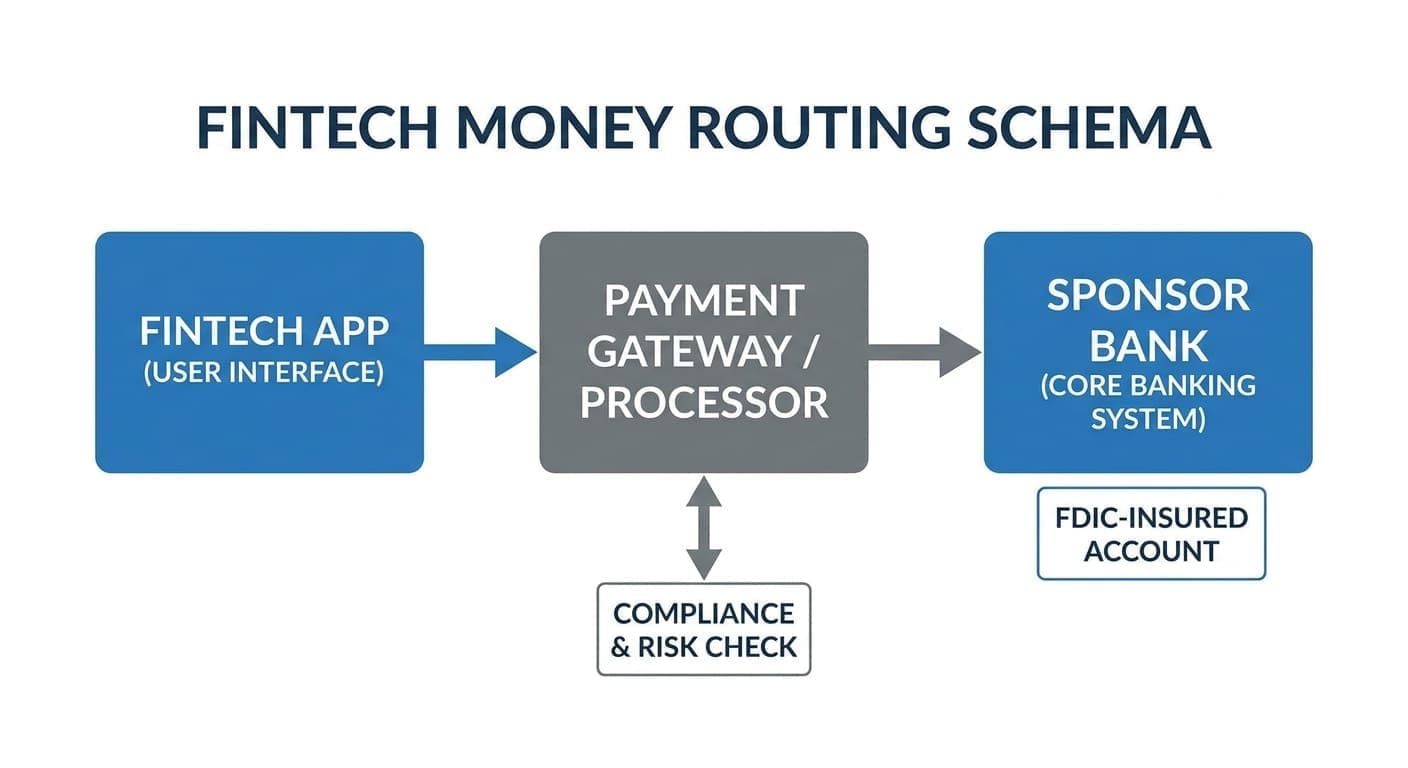
Your money has always been protected by FDIC insurance, typically through a partner bank. However, knowing the institution holding your account is financially sound provides an essential extra layer of confidence.
For more information, you can always check the FDIC.gov website.
Profits also fuel innovation. Instead of just maintaining the status quo, profitable neobanks can reinvest their earnings into building better products. This means better apps, more competitive features like
net/what-is-apy/”>what is a high-yield savings account, and expanded access to credit.
Ultimately, this turning point means the best neobanks are here to stay. They have evolved from risky startups into durable financial partners you can rely on for the long term.
Our Top Profitable Neobanks to Consider in 2026
With profitability now a key indicator of a neobank’s health and longevity, it’s more important than ever to choose a provider with a proven, sustainable business model.
Based on the 2026 financial data, two clear leaders have emerged for customers seeking the innovation of a neobank backed by the stability of a profitable company.
Chime has proven its fintech-centric model can deliver, making it an excellent choice for everyday banking, especially for users who value its fee-free structure and features like SpotMe and early direct deposit.
SoFi stands out as a powerful, all-in-one financial hub. For anyone looking to consolidate their checking, savings, investing, and lending into a single, high-performing digital bank, SoFi’s profitable and diversified model is hard to beat.
Both represent the future of banking: digital-first, customer-focused, and now, financially self-sufficient. Choosing one of these winners means you’re not just signing up for an app, you’re partnering with a stable financial institution.
The Bottom Line: Are Neobanks Profitable in 2026?
So, are neobanks profitable? In 2026 the answer is finally yes for the market leaders. Chime, SoFi, and Cash App have shown that a digital banking app can grow into a durable business once it reaches real scale and diversifies its revenue well beyond basic account fees.
It helps to remember why the answer to the question are neobanks profitable stayed no for so long. The first wave of providers chased sign ups at any cost and treated profit as an afterthought. That era is over. The names winning today earn steady money from lending, interchange, and paid financial products, not just from adding another million accounts.
For everyday customers, profitable neobanks mean greater stability, a lower risk of a sudden shutdown, and steady investment in better features. A bank that funds itself does not need to cut corners to survive, and that reliability is exactly what you want from the app that holds your paycheck.
If you are choosing a digital bank today, the smarter question is no longer simply are neobanks profitable, but which of these profitable providers fits your money habits best. Our short answer: yes, are neobanks profitable is now a solved question for the leaders, and backing well funded, profitable providers is a sensible way to keep your cash safe and your banking app improving.
Frequently Asked Questions
In 2026, are neobanks profitable across the board?
No. In 2026 the largest neobanks like Chime, SoFi, and Cash App are profitable, but smaller players such as Varo have not yet reached sustained profitability. Scale and diversified revenue are what separate the winners from the strugglers.
Are neobanks profitable enough to trust with my main paycheck?
For the established, profitable neobanks the answer is increasingly yes. A provider that funds its own operations is far less likely to shut down suddenly, and your deposits are typically protected by FDIC insurance through a partner bank. Confirm the FDIC coverage before moving your primary account.
Why are neobanks profitable now and not five years ago?
Two things changed. The leading neobanks finally reached the scale needed to earn meaningful interchange and lending revenue, and investors stopped rewarding growth that simply burned cash. That combination pushed the winners to build diversified, self funding businesses.
Are all neobanks profitable now?
No. While leaders like Chime, SoFi, and Cash App reached or sustained profitability in 2026, others like Varo Bank are still struggling to break even. A clear divide has formed in the industry.
How do neobanks make money if they have no fees?
Profitable neobanks have diversified revenue. They earn from interchange fees (a small percentage of debit card transactions), interest on loans, value-added platform services like pay advances, and subscription fees.
Is my money safer in a profitable neobank?
Yes, in a practical sense. While your deposits are FDIC insured up to $250,000 regardless, a profitable bank is financially stable and far less likely to face operational issues or sudden shutdowns, making it a more reliable place for your money.
Did Chime go public?
Yes, Chime had its Initial Public Offering (IPO) in 2025 at a valuation of approximately $11 billion. This event increased pressure on the company to focus on and achieve profitability.
Which neobank has been profitable the longest?
Block’s Cash App has one of the longest-running profitable consumer banking operations in the neobank space. SoFi also has a long track record, reporting its tenth consecutive profitable quarter in early 2026.
What is GAAP profitability?
GAAP stands for Generally Accepted Accounting Principles. It’s the standard, official method for reporting a company’s financials. Achieving GAAP profitability means a company is truly profitable after all its standard costs and expenses are counted.