ⓘWritten and reviewed per our independent editorial methodology.
Trying to ditch your traditional checking account? Many users ask us if they can sustainably pay bills with Cash App instead. We tested the exact features available in 2026.
Our team spent weeks examining the app’s daily features to find the best way to pay bills with Cash App safely. You will not find a central dashboard of billers like you would at a legacy bank.
Instead, you have to use alternative methods. If you want to pay bills with Cash App, you rely on your direct deposit account numbers, your debit card, or person-to-person transfers.
Cash App does not feature a traditional bill-pay dashboard, meaning you cannot search for companies and schedule payments internally. However, you can easily pay bills with Cash App using your routing and account numbers or the attached debit card. We tested these exact methods to manage recurring expenses effectively in 2026.
Table of Contents
Can You Really Pay Bills With Cash App?
Because of its immense popularity, we frequently receive questions about how to pay bills with Cash App effortlessly. The truth is that the app functions more like a digital wallet funding source. It lacks a true bill-pay directory.

To successfully pay bills with Cash App, you must understand your limits. Cash App can be used to pay some bills, but it is not a full-service platform with engineered autopay.
Instead of managing payments inside the app, you provide your information to the merchant. We detailed this heavily in our updated Cash App review.
The Missing Autopay Feature
Cash App’s official bill-pay help page only explains how to handle a bill using your account numbers or card details. It does not describe a biller search portal.
That means users generally have to set up payments with each distinct biller. You interact directly with your utility company or internet provider to schedule the deduction.
If you prefer everything in one neat list, you might find it frustrating to pay bills with Cash App exclusively. You will have to log into your electric provider’s site, your water company’s app, and your phone carrier’s portal separately.
Method 1: How to Pay Bills With Cash App Using Account Numbers
The most reliable way we found to pay bills with Cash App is via your provided direct deposit numbers. This works flawlessly for mortgages, car loans, and standard utilities.
Cash App generates an account and routing number for verified users. When you provide these numbers, the merchant triggers an ACH pull to grab the funds.
Finding Your Bank Details
To get started, you need to locate your specific numbers. Cash App makes this highly visible in the interface.
- Open Cash App and tap the Money tab in the bottom left corner.
- Scroll until you see your Account and Routing numbers displayed.
- Tap the numbers directly to copy them to your clipboard.
Setting Up the Payment
Once you have your numbers, log onto your biller’s website. If you plan to pay bills with Cash App this way, navigate to the biller’s payment page.
- Choose “Pay with Bank Account” or “Checking Account” on the merchant site.
- Paste your newly copied Cash App account and routing numbers.
- Save the payment method and opt into their specific autopay program if desired.
Method 2: How to Pay Bills With Cash App Using Your Cash App Card
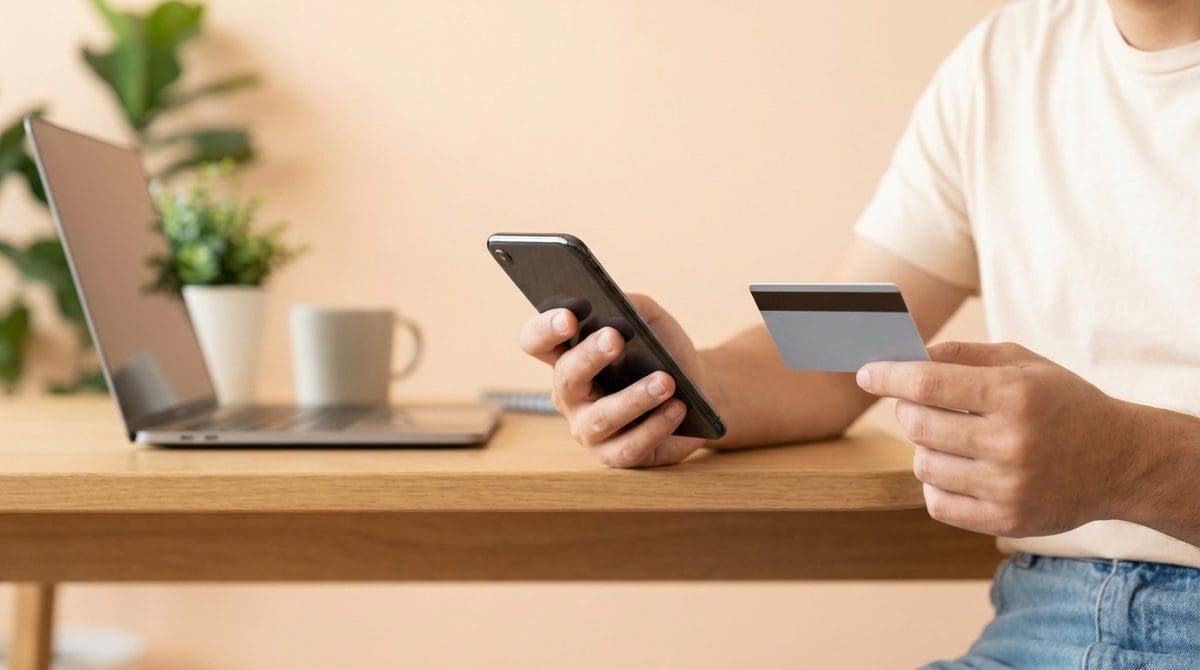
Sometimes, a merchant will not allow direct ACH inputs or requires a debit card. You can still pay bills with Cash App using the physical or virtual debit card.
The Cash App Card is issued by Sutton Bank and runs on the Visa network. We found it widely accepted anywhere normal debit payments process.
Which Billers Accept Debit?
Most mainstream subscription services and utility companies take debit cards. Netflix, AT&T, and local municipal water departments almost always accept the Cash App Card.
Before you attempt to pay bills with Cash App this way, double-check for processing fees. Some utility companies charge convenience fees for card payments while making ACH bank transfers completely free.
Card Limits to Know
When we tried to pay bills with Cash App using the plastic card, we monitored spending limits carefully. Cash App imposes clear boundaries on transaction volumes.
- You can spend a maximum of $7,000 per transaction or per day.
- The weekly cap is set to $10,000.
- The absolute maximum is $25,000 per month.
For typical households that pay bills with Cash App, these limits are perfectly adequate. Just be mindful if you make massive single purchases, like buying a used car or financing severe medical debt on the card.
Method 3: P2P Transfers for Rent and Small Businesses
Renting from a private landlord presents a unique challenge. You cannot usually pay bills with Cash App via routing numbers if your landlord just wants a quick manual transfer.
Cash App supports direct person-to-person payments by entering a phone number, email, or $Cashtag. We found this is the practical route when a landlord is not set up as a formal biller in a payments network.
Paying Your Landlord Directly
If you coordinate with your landlord to pay bills with Cash App via $Cashtag, keep detailed records. Add a specific note in the memo line, like “September 2026 Rent – Unit 4.”
We also evaluated similar options in our breakdown of Cash App vs Venmo. Person-to-person transfers are instant, satisfying landlords who demand immediate proof of payment.
Watch Out for Funding Fees
Be very careful about how your app is funded before sending these transfers. If you try to pay bills with Cash App using a linked credit card, you will face penalties.
Cash App charges 3% when you fund a person-to-person payment with a linked credit card. If you are sending $2,000 for rent, that means a brutal $60 fee just to process the transaction. Always fund P2P payments from your Cash balance or a linked debit account.
“Cash App supports direct person-to-person payments by entering a phone number, email, or $Cashtag; this is the practical route when a landlord is not set up as a formal biller in a payments network.”
Managing Shortfalls and Overdrafts
What happens if your utility attempts a scheduled deduction, but your balance is zero? Many people assume their app has a safety net.
We closely evaluated this while figuring out how to successfully pay bills with Cash App on a tight budget. The outcome is unforgiving.
No Guaranteed Free Overdraft
Cash App does not offer a free overdraft grace period like the SpotMe feature at Chime. If you lack the cash, your transaction declines.
We clearly note this distinct difference in our guide regarding Chime vs Cash App. Chime gives eligible users a $20 to $200 cushion. Cash App will simply reject your utility payment entirely.
Cash App Borrow and BNPL
If you are slightly short, you might qualify for Cash App Borrow. This grants eligible users short-term loans up to $500, though approval varies greatly.
Alternatively, you can defer some costs inside the app. For eligible peer-to-peer transfers of $25 or more made within the last 30 days, Cash App offers installment plans. They charge a transparent upfront fee with weekly repayments, requiring no compounding interest.
Getting Money Into Cash App to Cover Bills
To effectively pay bills with Cash App, cash flow matters. You need a frictionless way to fund the account before the first of the month arrives.
If you receive direct deposits straight into the app, you bypass top-up issues entirely. This is highly recommended if you intend to pay bills with Cash App consistently.
Paper Money Deposit Fees
If you work primarily with cash tips, loading physical cash comes at a cost. Cash App charges a $1 fee to add paper cash at participating retailers.
While $1 seems tiny, doing this every week to pay bills with Cash App eats into your finances. We recommend using free electronic transfers from an external checking account whenever possible.
Cash App Savings to Stash Funds
While preparing to pay bills with Cash App each month, park your excess funds intelligently. The platform now offers a legitimate Cash App Savings product.
Users earn a 1.5% base APY just by having a Cash App Card. You can unlock up to 3.25% APY by achieving “Cash App Green” status, which requires $500 or more in monthly card spend or qualifying direct deposits.
How Does Cash App Compare to Other Platforms?
If you decide you do not want to pay bills with Cash App, 2026 offers plenty of alternatives. Our team tests payment platforms constantly to rank their utility.
While Cash App dominates the P2P space, traditional mobile banks often handle recurring payments better. We stacked Cash App against its top competitors.
Cash App vs Zelle
Many users ask if Zelle is a superior bill-pay option. We addressed this directly in our guide on Cash App vs Zelle.
Zelle is a free P2P network built directly inside partner bank apps. It is NOT a bank account itself, and it carries no APY features. Zelle strictly serves to send funds to known parties, not to manage your subscriptions.
Cash App vs PayPal
PayPal provides a much deeper ecosystem for desktop users. We compared these titans in our Cash App vs PayPal showdown.
PayPal offers a formal PayPal Savings account (via Synchrony Bank) and integrates heavily with online checkout portals. However, to pay bills with Cash App in person, the physical Cash App Card feels undeniably sleeker and more accepted in modern retail.
Protecting Your Funds While Paying Bills
Security is paramount when connecting your primary routing numbers to dozens of billers. You should never pay bills with Cash App without confirming its backend safety.
FDIC Insurance Details
When you leave money sitting in the app to cover tomorrow’s bills, you need protection. Cash App provides access to up to $250,000 in Standard FDIC deposit insurance through its partner banks.
Knowing this limit helps you pay bills with Cash App confidently. If the partner bank fails, your deposited cash meant for rent and utilities remains safe under standard federal guidelines.
Pros and Cons of Using This Method
Is using this specific app the smartest move for your monthly budget? We documented the clear advantages and glaring drawbacks during our hands-on review.
What We Liked
- Finding your routing and account numbers takes seconds.
- The physical debit card bypasses merchants who refuse ACH transfers.
- Excellent for sending fast P2P payments to individual landlords.
- You can grow idle bill money via the Cash App Green 3.25% APY tier.
Where It Falls Short
- No central bill-pay interface to monitor upcoming drafts.
- Zero free overdraft protection if you miscalculate your balance.
- You must navigate a 3% fee if you ever fund a transfer via credit card.
- No automatic tools to adjust recurring bill payment amounts centrally.
Our Final Take on Managing Your Bills
Ultimately, you can quite literally pay bills with Cash App, but it demands more active work than a regular bank account. You must individually handle each merchant rather than relying on a global dashboard.
If you prefer the simplicity of the app’s clean UI, storing your bill funds here works fine. Just remember to pay bills with Cash App by carefully supplying your Sutton Bank routing numbers and avoiding expensive credit-funded P2P transactions. We prefer strong digital banks for serious bill management, but Cash App manages the basics admirably.
- Cash App lacks a centralized bill-pay directory or built-in autopay portal.
- You can pay bills by giving your biller your Cash App account and routing numbers.
- The Sutton Bank-issued Cash App Card acts as a debit option for utility payments.
- Direct P2P transfers work best for sending rent to private landlords.
- Watch out for funding fees, as sending money funded by a credit card costs 3%.