ⓘWritten and reviewed per our independent editorial methodology.
As digital wallets replace physical cash, the ultimate question on everyone’s mind continues to be: is Venmo safe to use right now? We tested this popular peer-to-peer payment tool to find out exactly where it protects you and where it falls short. Our team continually audits mobile finance platforms, and today we dissect everything about this payment utility.
People frequently assume that all money apps carry the same federal protections as a standard checking account. That assumption often leads to costly mistakes. To truly answer is Venmo safe, we have to look past the marketing and examine its core technical safeguards. We focus heavily on its actual terms of service and insurance policies.
From our hands-on experience, the technology guarding the application is highly secure. Yet, human error and clever social engineering remain vast vulnerabilities. We will walk you through everything you need to know, from spotting modern scams to locking down your personal data.
If you are asking is Venmo safe, the short answer is yes-but only if you use it for people you know. Payments are essentially irreversible, and standard balances lack FDIC insurance without the debit card or direct deposit. We tested the app’s security features and found that while it uses bank-level encryption, clever social scams remain the biggest threat.
- Venmo uses high-level encryption and two-factor authentication to protect personal data.
- Standard balances lack FDIC insurance unless you use the Venmo Debit Card or direct deposit.
- Payments are instant and nearly irreversible, making personal transfers risky.
- Purchase Protection only covers authorized merchants and tagged goods.
- Never refund accidental overpayments from strangers yourself; contact support instead.
Table of Contents
Venmo provides excellent digital security, but its instant transfers mean that sending money to a stranger is always a massive gamble.
Is Venmo Safe to Use? Scams, Security and Protection at a Glance
| Protection | Covered? | Details |
|---|---|---|
| FDIC pass-through on Venmo balance | Yes (if eligible) | Requires Venmo Debit Card or direct deposit, via partner banks |
| Purchase Protection on eligible goods | Yes | Must use authorized merchant or tag ‘Goods and Services’ |
| Mistaken personal payment to a stranger | No | Instant transfers are essentially irreversible |
| Crypto held in Venmo storage | No | No government protection for crypto assets |
| Unauthorized account access | Varies | Support investigates, but recovery is not guaranteed |
How Venmo Actually Works
Before you can decide is Venmo safe for your daily finances, you need to understand what it actually is. Venmo is a digital payment service owned by PayPal. It allows users in the United States to quickly send and receive money.
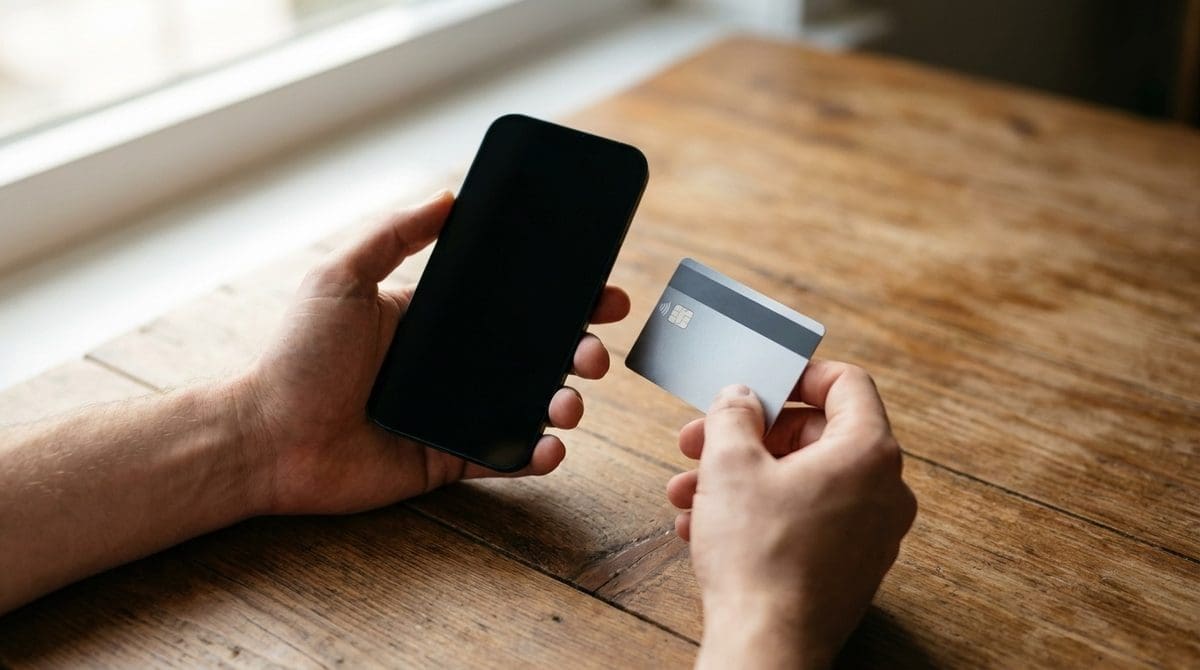
You link a funding source, such as a debit card or bank account, and use the user interface to shuttle funds instantly. The convenience is undeniably high. However, the instant nature of these transfers creates unique risks.
Because Venmo is a money service business and not a traditional bank, it operates under different regulatory rules. It falls under the oversight of the U.S. Treasury Department. The app may require your Social Security Number to verify your identity, a step that happens directly inside the application rather than via unsecure email.
The Social Feed Problem
One unique feature is the social feed, which displays user transactions to friends or the public by default. While you might enjoy seeing who bought dinner last night, this introduces serious privacy flaws. Strangers can monitor your spending habits if you leave settings on their default configuration.
Is Venmo safe if everyone can see your transactions? Not entirely. Scammers routinely monitor public feeds to understand relationship dynamics. They might impersonate your friends if they see a frequent exchange of funds.
We strongly recommend setting your privacy settings to completely private. You can change this by navigating to your settings menu. Select Privacy, and switch your default payment visibility so only you and the recipient see the transfer.
Is Venmo Safe from Hackers? Built-In App Security
When we evaluate threat models, the first question is whether hackers can easily breach the system. So, is Venmo safe from direct cyber attacks? Venmo uses advanced SSL certificates and encryption to protect your financial and personal data.
The application encrypts your data right on your device before sending it to their servers. This means your bank account numbers and passwords stay masked during transit. Even if interception occurs on public Wi-Fi, the attacker sees scrambled data.
However, encryption only protects data in transit. You must also secure the app physically on your device. Venmo provides several excellent tools for local security.
Authentication and Device Locks
To ensure nobody accesses your funds if you lose your phone, you must activate the app’s native security features. We tested the setup process and found it straightforward. You can enable a dedicated PIN code for the application.
Better yet, the software supports biometric logins. You can link Face ID or Touch ID, ensuring that only you can open the interface. A feature called “Security Lock” allows you to require this authentication before making any payment.
Two-Factor Authentication (2FA)
Is Venmo safe against remote password theft? Yes, but only if you utilize Two-Factor Authentication. 2FA forces anyone logging into your account from a new device to verify a code sent to your mobile number.
This creates a formidable barrier. If someone snatches your password in a data breach, they still cannot access your digital wallet without physically possessing your phone. We consider 2FA absolutely mandatory for any financial app.
If you ever wonder Is Cash App Safe and Legit, you will see we recommend the exact same protocol. Two-factor stops the vast majority of hijacking attempts before they start.
The Biggest Danger: Irreversible Payments
The most critical risk factor of this service is not malicious hacking. The primary reason people question is Venmo safe involves the irreversible nature of personal transfers. Payments sent to other users happen instantly.
Once you press send, the funds exit your account and arrive in the recipient’s wallet in seconds. Unlike a credit card transaction, you do not have a built-in grace period to cancel the payment. If you realize you made a mistake, you cannot simply hit undo.
Why You Cannot Cancel a Payment
Venmo operates on an immediate settlement model for personal transactions. If you type in the wrong username, the money goes to a stranger. Returning the funds requires that stranger’s active cooperation.
Is Venmo safe for large personal mistakes? No. Venmo support explicitly states they cannot reverse payments authorized by the user. If you send money to the wrong person, they advise you to send a request asking for it back.
We tested this by sending a small test amount to a colleague. Once sent, our only recourse within the user interface was a polite text demand. If the recipient chooses to ignore you, the money is effectively lost.
Navigating Accidental Transfers
This lack of reversibility means you must verify every detail before confirming a transaction. Never send money without confirming the exact username, phone number, or profile picture of your intended recipient.
This irreversibility is why How to Transfer From Cash App to Venmo guides heavily stress double-checking routing information. One wrong digit means permanently missing funds.
How Venmo Purchase Protection Actually Works
To mitigate some risks, the company introduced a specific Purchase Protection program. Is Venmo safe for buying things online? Yes, but only under extremely specific conditions.
Purchase Protection covers eligible purchases of goods and services. If you buy something and it arrives broken, or never ships at all, you might qualify for a refund. However, you must follow the correct procedure during checkout.
Eligible Goods and Services
To gain this coverage, you must toggle the slider that says “Turn on for purchases” before you send the payment. This tags the transaction as “Goods and Services.” Alternatively, paying an authorized merchant or a business profile with a blue tick verification also triggers the coverage.
If the seller fails to deliver, Venmo investigates the claim. If they rule in your favor, they refund the total purchase price. We verified that this applies to physical objects and tangible services.
What Is Not Covered
You must explicitly understand what falls outside this safety net. Standard payments to friends are absolutely excluded. If you send money to a personal profile without toggling the purchase slider, you get zero protection.
Payments to unauthorized sellers or strangers on social media also fall outside the protective net if you fail to tag the transaction correctly. Is Venmo safe for Facebook Marketplace? It is extremely risky unless you strictly use the Goods and Services option.
Scammers often beg buyers not to use the purchase toggle to “save on fees.” This is a massive red flag. Always insist on the protection.
Top Venmo Scams in 2026 and How to Avoid Them
Cybercriminals constantly evolve their tactics to trick users out of their money. Because the underlying technology is secure, thieves rely on social engineering. They trick you into willingly sending funds.
To fully evaluate is Venmo safe, we must analyze the active threats targeting users today. Identifying these patterns is the best way to safeguard your finances.
The “Accidental” Overpayment Scam
This remains one of the most common and devastating frauds. A stranger suddenly sends you hundreds of dollars. Seconds later, they desperately message you, claiming it was an accident.
They beg you to “refund” the money. If you send money back, you are initiating a brand-new, authorized transaction. A few days later, the original payment from the scammer bounces because it used stolen credit card details.
You essentially lose your own clean money, and the scammer walks away rich. Never refund an accidental payment yourself. Instead, instruct the sender to contact Venmo support to reverse their own error.
Fake Marketplace Buyers
Selling items locally carries severe risks. A fraudster acting as a buyer on a classifieds site agrees to your price. They use a fake profile to send the payment.
After taking physical possession of your item, they contact customer support claiming they never received the agreed goods. Because they exploit the claims system, you might lose both your item and the money.
Always use authorized business profiles and keep meticulous records of shipping or local handoffs. Is Venmo safe for selling furniture locally? Only if you rigorously document the exchange.
Prize and Cash-Flip Frauds
You might receive a message claiming you won a massive lottery or giveaway. However, the sender insists you must pay a small “processing fee” or “tax” to unlock the prize.
Legitimate prizes never require upfront cash. This is a classic advance-fee scam. Cash-flipping scams operate similarly, promising to multiply your money if you send an initial investment.
Romance Scams
These cons play out over weeks or months. An imposter builds trust with you on a dating app or social channel. Eventually, they manufacturer an emergency.
They might claim they need money for a sudden hospital bill or travel expenses to finally visit you. Because you authorize the payment, you cannot recover it once the fabricated emergency is exposed.
Is Venmo Safe to Keep Money In? Unpacking FDIC Insurance
People frequently leave large balances sitting in their wallets. Is Venmo safe for long-term storage? The answer depends entirely on how your account is configured.
In a standard, unverified setup, Venmo does not function like a bank. Standard balances are not FDIC-insured. If the parent company were to face catastrophic failure, your standard friends-and-family balance could theoretically vanish.
- The Standard Account Problem. We checked the official policies at length. General funds pooled in your standard account sit in corporate accounts. They do not enjoy the federal backing that a traditional checking account offers. For this reason alone, we recommend transferring large sums out of the app and into your primary bank. The convenience of keeping it there never outweighs the lack of federal protection. If you want to know How to Move Money From PayPal to Zelle, you will see we advise similar strategies. Always sweep your balance to an insured harbor.
- How to Get FDIC Pass-Through Coverage. You can, however, activate federal protection. FDIC pass-through coverage applies if you meet strict requirements. You must either obtain a physical Venmo Debit Card or set up qualifying direct deposit. Once active, partner banks sweep your funds into insured accounts. If you hold the debit card, you get pass-through coverage up to the current FDIC limit, which is legally capped at statutory maximums (typically $250,000 via FDIC coverage limits). Is Venmo safe if you have the debit card? Yes, the pass-through insurance provides identical federal protection to a local credit union. It drastically upgrades the app’s safety profile.
- The Crypto Exception. Users can interact with cryptocurrency directly within the app interface. You can track, buy, and sell digital coins. However, crypto held in Venmo is never FDIC-insured. There is absolutely no government protection for digital assets. If the market crashes or a catastrophic internal failure occurs affecting digital tokens, you bear the entire financial loss.
Is Venmo Safe Compared to the Alternatives?
How does this app stack up against its fierce market competitors? Comparing the top providers highlights the stark contrasts in mobile security.
When readers ask is Venmo safe, they usually want to know if they should switch to Cash App or rely on traditional bank networks like Zelle.
Cash App Security Comparison

When looking at Cash App vs Venmo, the basic architecture is surprisingly similar. Both services lack standard FDIC insurance by default, and both lock funds behind passcodes and 2FA.
Cash App pairs with Sutton Bank for its physical card, enabling similar pass-through insurance. Both platforms struggle with irreversible payments. Ultimately, user vigilance dictates the safety on both apps equally.
Zelle and Traditional Bank Options

Zelle differs significantly because it lives entirely inside partner bank apps. Zelle is not a bank account, nor does it hold a balance. It is merely a routing network.
Because Zelle connects your actual checking account to another, you never leave funds floating un-insured. However, Zelle transfers are notoriously rigid and lack any purchase protection whatsoever for retail buying.
Best Practices for Maximum Venmo Safety
After extensive testing, we developed a checklist to ensure you never lose a dollar to easily preventable mistakes. Answering the query of is Venmo safe requires you to take personal responsibility for your digital habits.
First, never treat the app like a social media platform. The risks of oversharing financial habits are simply too high for any marginal socialization benefit.
Security Locks and Passcodes
Always drill down into your settings and toggle on the required physical authentication. Every payment must demand your fingerprint or facial scan. This stops anyone who borrows your unlocked phone from silently draining your funds.
Venmo provides excellent digital security, but its instant transfers mean that sending money to a stranger is always a massive gamble.
If you want to integrate the debit card physically, review How to Add Venmo to Apple Pay to keep your physical card numbers hidden from merchants during point-of-sale checkouts.
Managing Paired Devices
Regularly check your authorized devices list. Go into your app settings and look at the computers and phones that can access your account.
If you see an old phone you traded in, or a browser location you do not recognize, revoke access instantly. This proactive pruning prevents lingering logins from turning into backdoor thefts.
Conclusion: Final Verdict on “Is Venmo Safe?”
We have analyzed every angle of this platform. So, is Venmo safe for the average consumer acting responsibly?
Yes, structurally the platform is completely legitimate and heavily fortified with encryption. If you engage with known contacts, verify usernames, and use the strong security locks provided, your money remains thoroughly protected.
However, users must completely abandon the concept that this app is a substitute for a traditional bank. Unless you trigger the pass-through insurance via the physical debit card, leaving cash floating on the interface carries needless risk.
Ultimately, the technology itself rarely fails. To ensure Venmo is safe for your wallet, you have to operate with caution, avoid strangers, and embrace every privacy setting available.