ⓘWritten and reviewed per our independent editorial methodology.
Want to see how your balance could grow? Try our free savings calculator to project your returns with compound interest.
Opening a high-yield savings account in 2026 is one of the easiest ways to grow your cash. Let us cut right to it. Keeping your emergency fund in a standard legacy bank account is a mistake.
In 2026, the national average interest rate sits at a dismal 0.61%, with some estimates closer to 0.40%. You need to move your idle cash into a high-yield savings account.
We have tested dozens of platforms to find the absolute best places to park your cash safely. Opening a high-yield savings account is simple, but picking the right one requires a bit of insider knowledge.
Here is our complete guide on how to choose a high-yield savings account without falling for marketing traps.
- Compare accounts by APY after conditions, not just the advertised headline rate.
- Only use accounts insured by the FDIC up to $250,000 per depositor.
- Avoid monthly maintenance fees that eat into your interest earnings.
- Watch out for tiered rates that drop significantly for larger balances.
- Check the fine print for direct deposit requirements needed to unlock top rates.

Table of Contents
What Exactly Is a High-Yield Savings Account?
Before you start moving money, we need to clarify what you are actually getting. A high-yield savings account is a deposit account that pays a much higher interest rate than a standard account.
These accounts are built for liquidity and safety. They give you a safe vault for your cash while outperforming inflation.
APY Explained
The most important metric we look at is APY, or Annual Percentage Yield. This is the total yearly return you earn from interest.
APY is not the same as APR. APY automatically includes the effect of compounding, making it the only number you should use to compare accounts.
When a bank quotes an APY, they are telling you exactly what your balance will earn over twelve months if the rate stays flat. However, keep in mind that high-yield savings account rates are normally variable.
Compounding Works for You
Compounding means your interest actually earns its own interest over time. This is how wealth snowballs passively.
We love accounts that compound daily and pay out monthly. Even a small difference in APY can produce meaningfully more growth over a few years.
Variable Rates Are the Standard
Do not expect your 4.00% APY to last forever untouched. High-yield savings accounts have variable rates linked to moves made by the Federal Reserve.
If the Fed cuts rates, your bank will lower your APY shortly after. You have to monitor your account a few times a year.
How to Choose a High-Yield Savings Account in 2026
Not every high-yield savings account is worth your time. Our testing team uses a strict checklist before recommending any platform.
You have to look beyond the big colorful numbers on the homepage. Here is exactly what we evaluate.
Look Past the Headline APY
Banks will heavily promote their maximum possible rate as a hook. You need to check the exact conditions required to actually earn that advertised APY.
Some require specific banking activity. Others cap the amount of money that actually earns the high rate.
Check the Bare Minimums
Minimum deposits are common screening factors across the industry. Some accounts require absolutely $0 to open today.
Others demand a steep minimum opening deposit. You also have to check if there is a minimum balance to keep the top APY active over time.
Evaluate the Fee Structure
Fees are the ultimate enemy of a high-yield savings account. A single unexpected fee can erase months of hard-earned interest.
We refuse to use savings accounts that charge monthly maintenance fees. In 2026, competitive U.S. accounts simply do not charge you just to hold your money.
The Real Cost: Identifying Hidden Fees
Our take after testing is that free rarely means pure zero. You still need to dig into the fee schedule.
Here are the specific costs we look for when grading a high-yield savings account limit.
Monthly Maintenance Fees
This is the most common trap at legacy banks. Good HYSAs must have zero monthly maintenance fees.
If a bank tries to charge you $5 a month, your small interest gains will be completely destroyed. Walk away immediately.
Transaction and Withdrawal Penalties
Federal regulation formerly limited savings withdrawals to six per month. Though the rule was paused, many banks still enforce their own limits.
Check the excess withdrawal fee. Some institutions charge $10 for every transfer you make past the monthly limit.
Inactivity and Transfer Fees
We have seen banks charge inactivity fees if you leave an account untouched for a year. Do not let your emergency fund slowly drain away.
Watch out for wire transfer fees as well. While ACH transfers are typically free, a domestic wire can cost you $20 to $30 out of pocket.
Leading Competitors in the High-Yield Savings Account Market
The market is crowded, but a few heavy hitters dominate our recommendations for 2026. Top rates sit comfortably between 3.00% and 4.50% right now.
Here is how the top players stack up in our recent trials.
The Chime Ecosystem
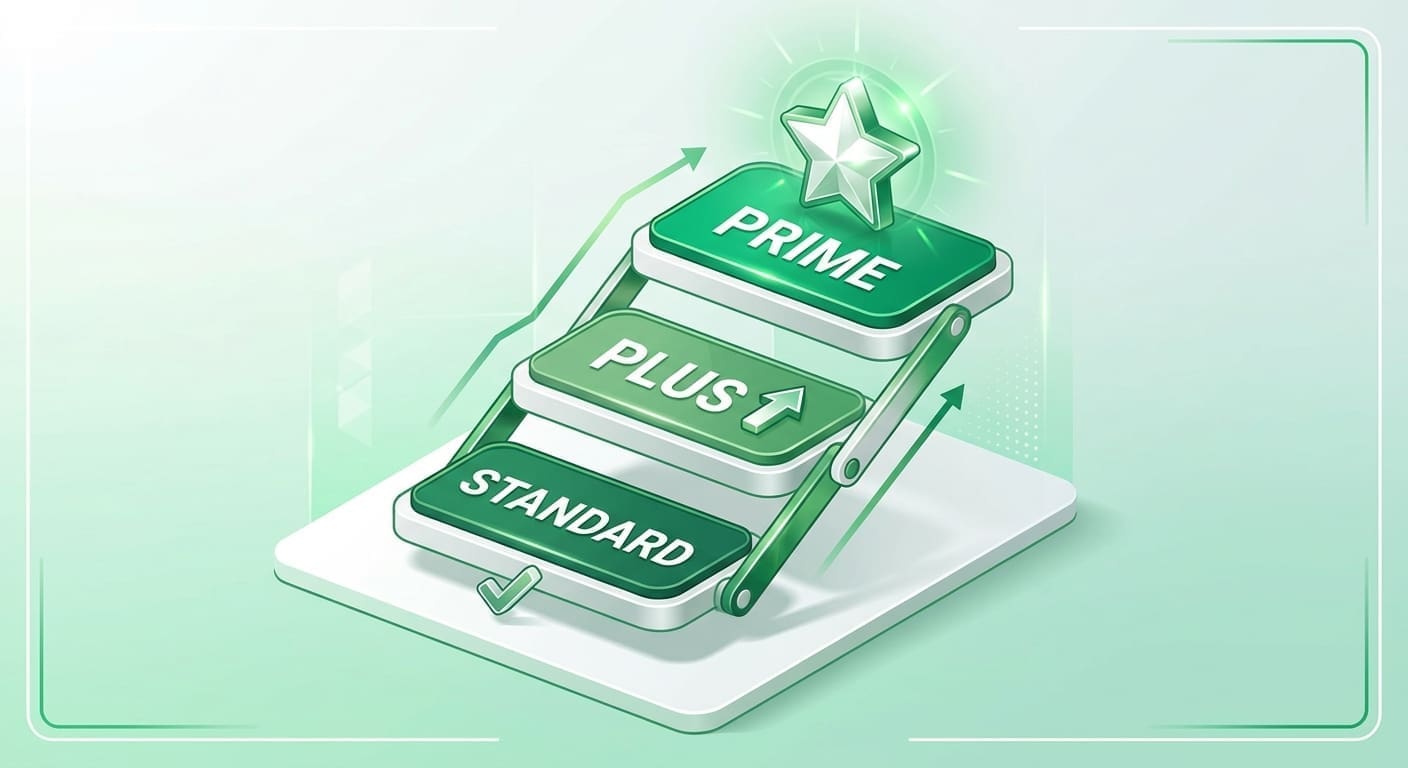
We extensively tested Chime, and their tiered system is highly dependent on how you use it. They offer three distinct APY levels right now.
Their standard savings rate is a low 0.75% APY. However, if you get $200 in qualifying direct deposits monthly, you hit the Chime Plus tier at 3.00% APY.
For power users, the Chime Prime tier unlocks 3.75% APY, but it requires a hefty $3,000 monthly direct deposit. To see how these tiers compare to big banks, check our detailed Chime vs Marcus breakdown.
Ally Bank
Ally remains a steady favorite for our team. As of June 2026, they pay a very clean 3.00% APY with no minimum balance required.
There are no hidden conditions to hit that rate. If you are debating between fintechs and this established player, read our Chime vs Ally analysis.
Marcus by Goldman Sachs
Marcus is a pure savings and CD platform built for simplicity. As of June 2026, they deliver a highly competitive 3.40% APY without complex hoops.
There are no monthly fees and no minimum deposit requirements. They focus heavily on high yields rather than checking account perks.
Discover and Capital One 360
Both Discover and Capital One offer excellent, no-fee options for savers. Discover peaks at up to 3.50% APY currently.
Capital One 360 pays a solid 3.00% APY. For a deeper dive on app features, review our full Chime vs Discover comparison guide.
SoFi
SoFi is currently paying up to 4.00% APY on their checking and savings combo. We consider them a highly stable high-yield savings account option right now.
They are an excellent replacement for older, failing eco-fintechs. In fact, if you want to know why we abandoned certain platforms, see our Aspiration vs Ally warning.
Avoiding Common High-Yield Savings Account Traps
It is easy to get blinded by a massive interest rate promo. The devil is always in the details with these accounts.
Here are the specific traps we look for when an account seems too good to be true.
The Fake APY Trap
Do not chase a high headline APY without checking whether you can actually earn it. Promotional offers frequently expire after just three months.
Some accounts demand 15 debit card swipes a month just to activate the savings rate. If you miss the quota, your rate drops to virtually zero.
Tiered Balance Restrictions
Tiered APYs are arguably the most confusing part of modern banking. Some banks pay different APYs based on your exact balance level.
For example, Varo offers up to 5.00% APY, but strictly on your first $5,000. For anything over that, or if you miss their $1,000 direct deposit rule, you drop to 2.50% APY.
CIT Bank pays an excellent 3.75% APY, but only if you hold over $5,000. Fall under that, and you earn a measly 0.25%.
Strict Direct Deposit Hurdles
Cash App offers a savings feature that starts at just 1.5% APY. You have to funnel $500 in card spend or direct deposits monthly just to unlock their 3.25% tier.
If your paycheck is irregular, you will constantly miss your APY targets. Always choose an unconditional high-yield savings account if your income fluctuates.
Steering Clear of Unstable Fintechs
Not every sleek financial app is built to last. Our team strongly warns against parking cash in experimental or troubled fintech platforms.
For example, parent Aspiration Partners filed for Chapter 11 bankruptcy in 2025. We mark their spun-off consumer brand as highly unstable and do not recommend using them at all.
Stick to the heavyweights. If you want app-first banking, view our full Chime review instead of messing with risky startups.
Requirements and Protections You Cannot Ignore
A high rate is worthless if your money disappears entirely. Safety must be your primary filter.
Here are the non-negotiable security requirements every high-yield savings account must have.
The FDIC Safety Net
Never deposit money in a completely uninsured platform. Confirm the bank is fully FDIC-insured before making a transfer.
FDIC insurance protects deposits up to $250,000 per depositor, per insured bank. Even if the bank collapses entirely, the government ensures you get your money back.
Fintech Partner Banks
Many modern apps are not actually banks themselves. They partner with actual banks to hold your funds securely behind the scenes.
Chime, for instance, uses The Bancorp Bank, N.A. and Stride Bank, N.A. Cash App relies heavily on Sutton Bank for its infrastructure.
Always verify exactly which partner bank is holding your cash. Check that specific partner on the official FDIC database.
Splitting Large Balances
If you are lucky enough to have more than the $250,000 limit, do not keep it all in one spot. You must spread funds across different institutions.
Alternatively, you can utilize different ownership categories to increase your coverage. Keeping every dollar within insured limits is non-negotiable.
Mobile Access and True Liquidity
The entire point of savings is having emergency cash available on demand. Hard-to-access money causes unneeded stress.
We carefully test the user interface of every high-yield savings account we review.
Evaluating the Mobile App
You should be able to view balances, execute transfers, and contact support within ten seconds. Slow, buggy apps are an immediate red flag.
We also look for accounts that integrate well with major external hubs. Moving cash out should take no more than a few days.
Fee-Free ATM Networks
Sometimes you need cold, hard cash immediately. Your savings account bank should offer a massive network of free ATMs.
Chime provides access to over 47,000 fee-free ATMs via MoneyPass. Just remember that savings accounts are not designed for daily ATM cash pulls.
Conclusion: Making Your Final Decision
Choosing the best high-yield savings account in 2026 takes just five minutes of reading the fine print. You no longer have to settle for 0.01% APY at your childhood branch.
“Don’t let your cash sit idle. A high-yield savings account is the easiest passive growth strategy you can implement.”
We found that accounts paying around 3.00% to 4.50% right now offer the best mix of stability and yield. Remember to check for zero hidden fees and unconditional APY rules.
Lock in a great rate today and let compounding do the heavy lifting. Your emergency fund will thank you.