ⓘReviewed using our independent review methodology.
Choosing between app-based banking giants can feel overwhelming, but comparing Starling vs Revolut highlights two very different approaches to modern finance. We spent weeks diving into their features, fees, and daily usability to see which platform truly delivers.
In this Starling vs Revolut guide, we break down everything you need to know. Whether you want a full UK bank or a global financial super-app, our hands-on testing reveals the clear winner for your wallet.
- Starling operates as a fully licensed UK bank, providing a stable foundation and overdraft availability.
- Starling customer deposits are protected by the FSCS up to £85,000.
- Revolut offers strong paid plans in the US, including Plus $3.99 / Premium $9.99 / Metal $16.99 per month.
- Revolut provides extensive UK upgrades, offering Plus £3.99 / Premium £7.99 / Metal £14.99 / Ultra £55 per month.
- While Starling focuses on core banking with free ATMs, Revolut adds features like crypto, share dealing, and global transfers.


Table of Contents
Quick Comparison: Starling vs Revolut at a Glance
| Feature | Starling | Revolut |
|---|---|---|
| Feature | Starling | Revolut |
| Monthly fee | £0 standard accounts | $0 (US) / £0 (UK) base |
| Premium Plans | None | US: Plus $3.99, Premium $9.99, Metal $16.99/mo; UK: Plus £3.99, Premium £7.99, Metal £14.99, Ultra £55/mo |
| Savings APY | Not a US product (UK only) | Depends on product/offer |
| Overdraft / advance | Overdrafts available (subject to eligibility) | No overdraft mentioned |
| ATM access & fees | Free ATM withdrawals | 5 free or £200/mo, then 2% fee (£1 min) |
| Investing | None stated | Shares, gilts, and crypto |
| Regulatory | fully licensed UK bank | E-money/bank varies by region |
| Deposit Protection | FSCS up to £85,000 | Varies, not FSCS in UK |
Starling in Depth
Starling: Best for UK Residents
Starling offers a simple, free UK-style bank account with overdrafts. However, it is not a US retail bank product.
Open Starling AccountStarling built its reputation by doing the basics flawlessly. It operates as a fully licensed UK bank, meaning your money sits locally with full regulatory backing.
Our take after testing the app: Starling feels like a traditional account that finally got entirely digitized. The interface is clean, intuitive, and devoid of the clutter you find in many modern fintech apps.
Security and Protection
One massive advantage is security. Your funds are protected by the FSCS up to £85,000.
Because it is a fully licensed UK bank, you get the peace of mind that comes directly from government-backed schemes. This is a huge selling point in the Starling vs Revolut debate.
Fees and Features
Starling keeps things simple with no monthly fees for its standard accounts. You get free ATM withdrawals and zero fees on foreign transactions.
- £0 standard monthly fee.
- Free ATM access locally and abroad.
- Overdrafts available for eligible users.
Starling Pros and Cons
Revolut in Depth
Revolut: Best for International Spenders and US Users
Revolut operates in the US, offering access to shares, crypto, and straightforward international spending. It is the practical choice for an American audience.
Open Revolut AccountRevolut is a different beast entirely, built originally as a travel card and now expanding into a massive financial ecosystem. It focuses heavily on multi-currency support and investments.
Our take after testing the app: Revolut is incredibly feature-rich, though the sheer volume of options can feel a bit overwhelming at first. The flexibility is unmatched if you travel frequently.
Subscription Tiers
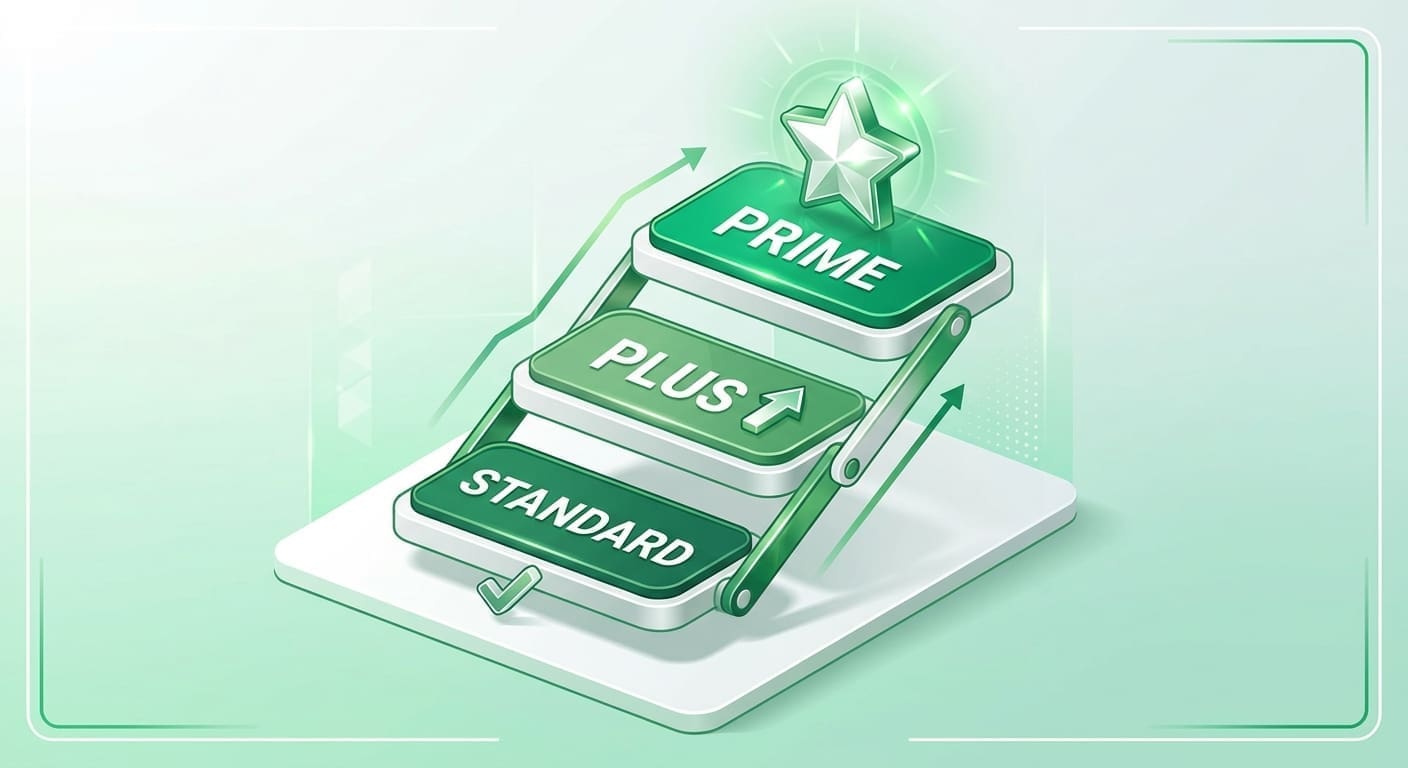
Unlike Starling, Revolut leans heavily into premium tiers. For US customers, plans include Plus $3.99 / Premium $9.99 / Metal $16.99 per month.
In the UK, the plans are Plus £3.99 / Premium £7.99 / Metal £14.99 / Ultra £55 per month. These tiers unlock higher ATM limits and better investment rates.
Global Use
The app shines for holding multiple currencies and executing cheap international transfers. It also lets you invest in shares, gilts, and crypto directly.
Revolut Pros and Cons
Head-to-Head: The Key Differences
When we stack up Starling vs Revolut directly, the differences boil down to banking status versus global feature sets. Here is how they compare across key categories.
Regulatory Status
Starling is a fully licensed UK bank with FSCS up to £85,000. Revolut is currently operating mostly with e-money licenses in many of its key regions, though it holds banking licenses elsewhere.
This makes Starling the safer bet for keeping your primary salary. Revolut acts better as a secondary travel or spending account.
Account Pricing
Starling is largely free for daily use. Revolut offers a free tier, but heavily pushes its paid plans like the UK Metal £14.99 or Ultra £55 per month options.
“In the Starling vs Revolut matchup, Starling is the dependable daily driver, while Revolut is the high-performance multi-currency engine.”
Travel and App Experience
Both apps offer excellent travel features. However, Starling gives you totally free ATM withdrawals abroad without the strict limits Revolut applies to its free tier.
Revolut counters with superior in-app tools for holding multiple currencies simultaneously. If you hop borders constantly, Revolut’s paid tiers might be worth the cost.
Who Should Choose Starling?
If you live in the UK and want a total replacement for your legacy high-street bank, Starling is the obvious choice. It nails the basics without trying to upsell you constantly.
- Those who want FSCS up to £85,000 protection.
- Users who prefer a fully licensed UK bank.
- Travelers who want uncapped free ATM withdrawals.
- Minimalists who want a simple, clean app.
Who Should Choose Revolut?
Revolut is ideal for global citizens, frequent travelers, and people who want investments mixed with their daily spending.
- US users looking for a flexible fintech app.
- Expats who frequently move money across borders.
- Users willing to pay for premium perks like the Ultra £55 per month tier.
- People who want stocks and crypto in one place.
Final Verdict
Choosing the winner of Starling vs Revolut comes down to where you live and how you spend. We firmly favor Starling as a primary account for UK residents due to its status as a fully licensed UK bank and FSCS up to £85,000 protection.
However, Revolut remains the undisputed champion for multi-currency travel and secondary spending. For many users, the smartest Starling vs Revolut strategy is actually to download and use both.
Frequently Asked Questions
Is Starling safer than Revolut?
In the UK, Starling has the edge because it is a fully licensed UK bank. Your money is protected by the FSCS up to £85,000, which Revolut’s UK e-money account does not offer natively.
Does Revolut have monthly fees?
Yes, if you upgrade. US plans run Plus $3.99 / Premium $9.99 / Metal $16.99 per month, while UK plans run Plus £3.99 / Premium £7.99 / Metal £14.99 / Ultra £55 per month.
Which app is better for traveling abroad?
Both are excellent, but Starling offers uncapped, fee-free ATM withdrawals abroad. Revolut limits free cash withdrawals based on your subscription tier.
Can I use Starling if I live in the US?
No. Starling is strictly a fully licensed UK bank and requires UK residency. US residents should look at Revolut instead.
Which is better for investing in Starling vs Revolut?
Revolut wins this easily. They offer in-app access to shares, gilts, and crypto, while Starling focuses purely on core banking and savings products.