ⓘWritten and reviewed per our independent editorial methodology.
Most of us manage money strictly through our phones today. Yet the debate regarding digital vs traditional banks is hotter than ever in 2026. We test financial apps for a living, and the differences have massive consequences for your wallet.
The core tradeoff is straightforward but impactful. Digital platforms win on lower fees and exponentially higher savings yields. Legacy institutions win on physical branch access and reliable cash handling.
Which path you choose depends heavily on your daily cash habits. We will break down every vital feature to help you make the right call for your finances.
- Digital banks usually offer significantly higher savings APYs, often reaching up to 4.00%.
- Traditional banks dominate in cash handling, branch access, and complex in-person services.
- FDIC insurance up to $250,000 applies to both, provided the digital platform partners with a licensed bank.
- Online-only platforms eliminate most monthly maintenance costs and overdraft fees.
- A hybrid approach-using both digital vs traditional banks-is the best setup for many consumers in 2026.

Table of Contents
Quick Comparison: Digital vs Traditional Banks: The Key Differences in 2026 at a Glance
| Feature | Digital banks | Traditional banks |
|---|---|---|
| Monthly fees | Typically $0 | Often $10-$25 (unless waived) |
| Savings APY | Frequently 3.00% – 4.00% | Typically around 0.01% |
| Branch access | None (app only) | Thousands of local locations |
| ATM network | Requires partner networks (Allpoint, MoneyPass) | Extensive proprietary local fleets |
| Customer service | 24/7 chat, phone, and app support | In-person during branch hours |
| FDIC insurance | Up to $250k via partner bank | Up to $250k directly |
| Cash deposits | Via retail registers (often incurs fee) | Direct via branch or network ATMs (free) |
The Core Conflict: Digital vs Traditional Banks
Deciding between digital vs traditional banks essentially asks what you value more. Do you want maximum return on your deposits? Or do you need a local teller to deposit cash from your side hustle?
The fundamental structure of these institutions dictates what they can offer. Legacy banks maintain physical real estate and massive local staff. That overhead limits how much interest they can pay you.
Digital platforms skip the real estate costs entirely. They pass those savings back to you through higher Annual Percentage Yields (APYs) and zero monthly fees. If you want a deep dive into the underlying tech, check out our Ultimate Guide to Digital Banking.
What Defines a Traditional Bank?
Legacy banks are the brands you see on street corners everywhere. Think of massive names like Chase, Bank of America, or Wells Fargo. They hold direct national or state bank charters.
These organizations handle everything from standard checking to commercial lending. They offer safety deposit boxes, cashier’s checks, and physical vaults for cash. You pay for this infrastructure via account maintenance fees and lower interest rates.
What Defines a Digital Bank?
Online-only financial platforms operate almost exclusively via mobile apps. Some, like Varo, secured their own national bank charter back in 2020. Most others operate as financial technology (fintech) companies.
Fintechs partner with underlying regional banks to hold your money safely. For example, Chime partners with The Bancorp Bank, N.A. and Stride Bank, N.A. (Members FDIC). This setup keeps their costs practically at zero.
Fees and Minimum Balances Compared
When comparing digital vs traditional banks, fees are usually the first friction point. Nobody likes paying simply to store their own money. We closely monitor the fee structures across both sectors.
Legacy Bank Fees
Traditional branches routinely charge maintenance fees ranging from $10 to $25 per month. For instance, a basic Chase Total Checking account carries a monthly fee. You can easily waive this fee by maintaining a minimum balance or setting up direct deposits.
However, if your balance dips, that fee bites into your cash quickly. Legacy banks also charge heavily for overdrafts. It is common to see $35 penalty charges if you accidentally overdraw your account.
Digital Bank Fee Structures
Online platforms virtually eliminated the basic checking account fee. Our testing shows almost zero digital challengers charging a baseline monthly maintenance fee. They also do away with mandatory minimum balances.
Overdraft protection is another massive win for the online sector. For example, in our Chime review, we highlight their SpotMe feature. It covers you from $20 to $200 on debit card purchases without any overdraft fees.
Wire Transfers and Hidden Costs
One area where the digital vs traditional banks comparison gets tricky is wire transfers. Legacy banks almost always support incoming and outgoing wire transfers. They usually charge between $15 and $30 for the service.
Many digital platforms do not support outgoing domestic wire transfers at all. If you frequently buy real estate or send large wired funds, a local bank is practically required.
Savings APY: Where Online Banking Dominates
Interest rates highlight the most dramatic divide between digital vs traditional banks. Keeping your emergency fund in a legacy bank essentially loses you money to inflation. We cannot stress this difference enough.
Traditional Savings Rates in 2026
Standard legacy bank savings accounts usually hover near 0.01% APY. Even after years of rate fluctuations, physical branch banks refuse to pay competitive yields on basic savings. They simply do not have to.
Their massive marketing budgets and convenient locations guarantee a steady stream of customer deposits. If you hold $10,000 at 0.01%, you earn a singular dollar over the entire year.
Digital Savings Rates in 2026
Online platforms routinely offer 20 to 50 times the APY of physical branches. As of our latest 2026 checks, major digital players provide serious returns. For example, Ally currently offers 3.00% APY, while Marcus sits at 3.40% APY.
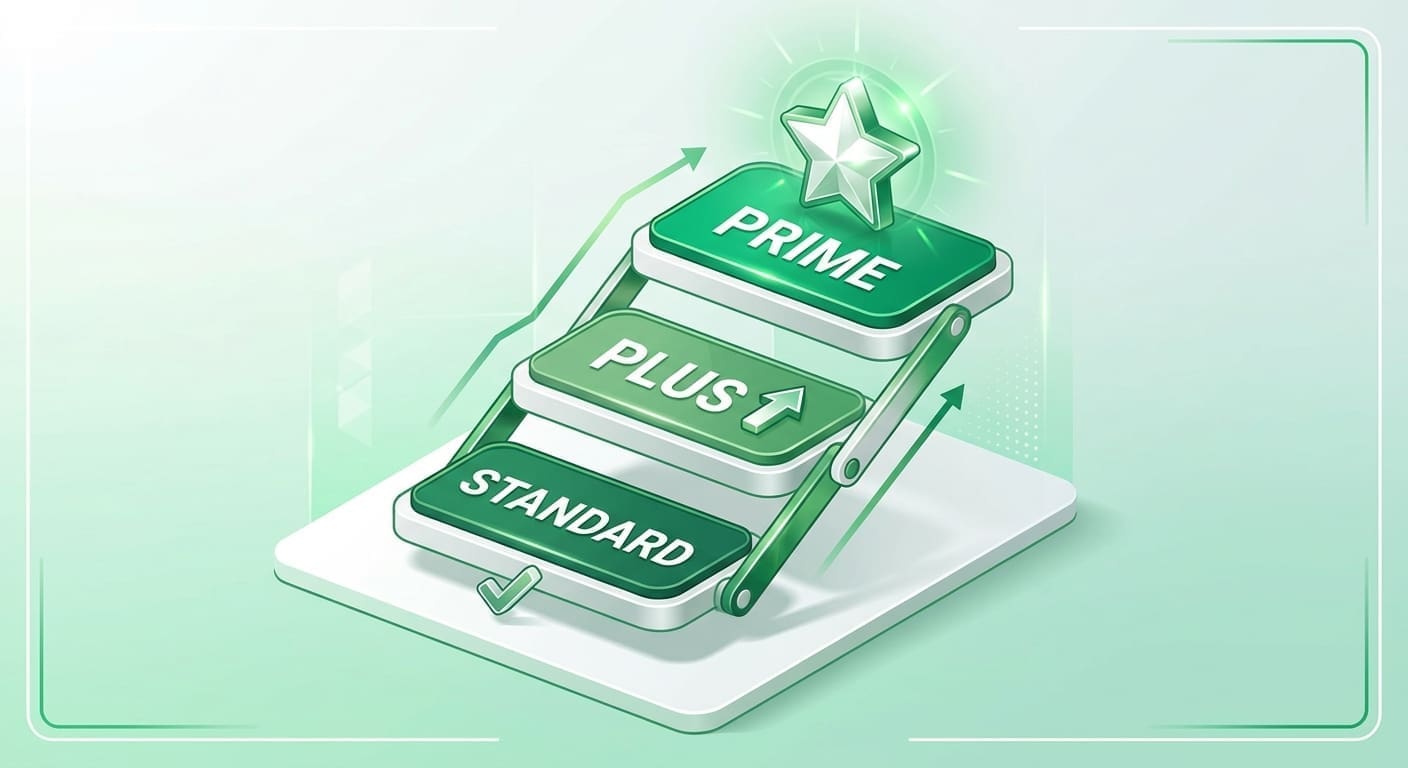
Some platforms require specific activities to unlock top tiers. Chime currently offers a base 0.75% APY. However, if you hit their Chime Plus tier ($200+/mo direct deposit), you get 3.00% APY, and their Chime Prime tier ($3,000+/mo direct deposit) hits an impressive 3.75% APY.
Highest Return Options
Platforms like SoFi set the gold standard right now, offering up to 4.00% APY on checking and savings. Discover also competes heavily with up to 3.50% APY.
Branch Access vs. Mobile Apps
Evaluating physical necessity is crucial when looking at digital vs traditional banks. The app serves as your only branch with online platforms. For many consumers, that is totally fine.
The Need for Branches
Physical branches provide essential services you cannot replicate on a phone. If you need a certified cashier’s check immediately for an apartment deposit, a physical teller handles it in five minutes. Medallion signature guarantees also require in-person visits.
Small business owners who secure high volumes of small bills or coins desperately need branches. If you run a cash-heavy side business, a local bank is mandatory. Read our breakdown on Chime vs Chase for a perfect example of this dynamic.
The App Experience
Digital apps are vastly superior in user interface and speed. Back when we built fintech products, we intentionally designed interfaces to eliminate friction. Legacy bank apps often feel clunky and outdated by comparison.
Features like instant peer-to-peer transfers, temporary card freezing, and automated savings rules work flawlessly on challenger apps. You handle everything from your couch.
ATM Access and Cash Handling
How you access physical cash is a critical difference between digital vs traditional banks. Getting money out is usually easy on either platform. Putting cash in is an entirely different story.
Proprietary vs. Partner ATM Networks
Legacy banks own massive fleets of proprietary ATMs. You can walk up to thousands of branded machines to withdraw or deposit cash instantly. If you use an out-of-network machine, they frequently charge a harsh penalty fee.
Online platforms bypass this by partnering with giant ATM networks like Allpoint or MoneyPass. Chime offers over 47,000 fee-free MoneyPass ATMs. Current provides access to over 40,000 fee-free Allpoint machines, making physical withdrawals incredibly easy.
The Cash Deposit Problem
Depositing cash is the Achilles’ heel for online platforms. You cannot physically hand cash to an app. Instead, you must visit retail partners like Walgreens or CVS.
Digital apps require you to hand cash to a cashier, who scans a barcode on your phone to load funds. Some platforms charge up to $4.95 for this privilege. Legacy banks let you deposit cash at an ATM or branch for zero cost.
Customer Service Showdown
When things go wrong, how you get help varies wildly between digital vs traditional banks. Both sectors have distinct advantages and glaring weaknesses.
Face-to-Face vs. Remote Support
With legacy branches, you can walk in and sit across a desk from a human. If a fraud lock freezes your account, an in-person manager can usually clear it up by verifying your ID physically. This provides massive peace of mind.
However, branch hours are notoriously limited. If an issue happens at 6 PM on a Friday, you are waiting until Monday morning. That is incredibly frustrating during an emergency.
24/7 Digital Support
Online platforms primarily rely on chat support, email, and phone agents. Read our review of Chime vs Current to see how these fintechs handle issue resolution natively in the app.
Many digital platforms offer extended or 24/7 support hours. You rarely wait for a weekend to end to report fraud. However, resolving complex identity verification issues purely via email can sometimes drag out painfully.
Security and FDIC Insurance
Is my money actually secure? This is the most common question we hear about digital vs traditional banks. The simple answer is yes, but the mechanics differ slightly.
Legacy Bank Security
Traditional institutions are heavily regulated and hold direct charters. Your deposits are inherently protected by the Federal Deposit Insurance Corporation. They undergo constant scrutiny by federal examiners.
The standard limit is exactly $250,000 per depositor, per insured bank, per ownership category. Your money is completely protected against the physical bank failing.
Fintech Partner Models
Most online challenger platforms are not actually chartered banks. They are tech companies providing a front-end interface. Your actual funds sit in accounts at their partnered, FDIC-insured regional banks.
Because the partner bank holds the charter, your funds get the exact same $250,000 FDIC coverage. You just need to verify the partner bank’s status in the app’s fine print before depositing a single cent.
“When comparing digital vs traditional banks, realize that the FDIC protects your funds equally in both, as long as the online platform partners with a properly licensed institution.”
User-Level Protection
Truthfully, the biggest security risk in 2026 is user error, not platform failure. Phishing attacks and social engineering target users regardless of which institution they choose. Always enable two-factor authentication.
Use biometric logins and never share SMS verification codes. Both traditional and online platforms provide these standard security tools to keep your credentials safe.
International Travel and Foreign Exchange
If you leave the country frequently, your experience with digital vs traditional banks will be completely different. Foreign transactions expose massive hidden fees.
Traditional Foreign Transaction Fees
Most legacy debit cards charge a 3% foreign transaction fee on every purchase made abroad. They also tack on flat out-of-network ATM fees that stack aggressively over a one-week vacation.
If you want a traditional checking account with zero foreign fees, you usually need a premium tier. That requires tens of thousands of dollars in minimum balances just to waive the basic costs.
Digital Travel Benefits
Online challengers excel at global travel. Many completely eliminate foreign transaction fees on standard debit purchases. You pay the exact mid-market exchange rate without a silent 3% haircut.
Specialized platforms go even further. Wise offers transparent currency conversions starting from ~0.33% on major currency pairs using the mid-market rate. Revolut provides premium travel plans scaling from $3.99 up to $16.99 per month for heavy travelers.
Specialized Accounts and Minor Features
Sometimes, the debate surrounding digital vs traditional banks pivots on minor features like kids’ cards or joint accounts. Not every platform supports every setup.
Joint Accounts
Opening an account with a spouse is historically easy at any local branch. Both parties show up, sign physical paperwork, and leave with matching debit cards. Almost every legacy institution supports joint checking perfectly.
Many digital platforms entirely lack native joint account features. They focus aggressively on sole-proprietor single accounts. If shared finances are mandatory, double-check whether the app actually supports multiple users.
Kids and Teen Banking
Getting exactly what you need for younger users usually points toward specialized tech. Standalone services like GoHenry offer a kids’ and teens’ debit card via monthly subscriptions. They handle parental controls beautifully.
Local branches offer teen checking, but the mobile apps usually lack granular spending limits. For kids, fintech platforms generally provide a far superior educational experience.
Picking the Best 2026 Digital Contenders
If you decide the online route wins the digital vs traditional banks debate for you, pick a stable winner. The market consolidated heavily recently, leaving a few elite options.
Top High-Yield Platforms
SoFi remains our top recommendation for maximum yield without hassle, offering up to 4.00% APY. Ally is also incredibly reliable, giving a clean 3.00% APY with stellar customer service history. Capital One 360 is an excellent hybrid, paying 3.00% APY while maintaining some physical branches.
Best Platforms for Automation and Zero Fees
Chime sits firmly at the top for zero-fee automation. Between SpotMe overdraft protection and their Chime Prime 3.75% APY tier, they dominate the zero-fee segment. Varo is another fantastic choice, offering 5.00% APY on your first $5,000 if you meet direct deposit requirements.
Our testing proves these platforms rarely fail for standard automated payroll setups. Just remember that if you randomly need a cashier’s check tomorrow, you will be scrambling.
Choosing Between Digital vs Traditional Banks
Who actually wins the digital vs traditional banks argument? The real answer is that the optimal setup in 2026 utilizes both platforms simultaneously.
The Hybrid Approach
We recommend opening a zero-fee account at a legacy branch for cash handling and complex services. Link that directly to a high-yield online platform like Ally or SoFi. You get to utilize the exact strengths of both systems.
You keep your emergency fund earning 4.00% on the app. When you sell an item on Marketplace for cash, you deposit it at the local branch ATM. Then, you seamlessly transfer the funds digitally to your high-yield account.
Summary of the Debate
If you hate physical branches, never deposit cash, and want high interest rates, purely online tech is your best answer. If you strongly prefer face-to-face problem resolution and handle daily cash, stick exclusively to legacy institutions.
Comparing digital vs traditional banks reveals two completely different approaches to money movement. Choose the exact toolkit that matches your specific financial lifestyle.